
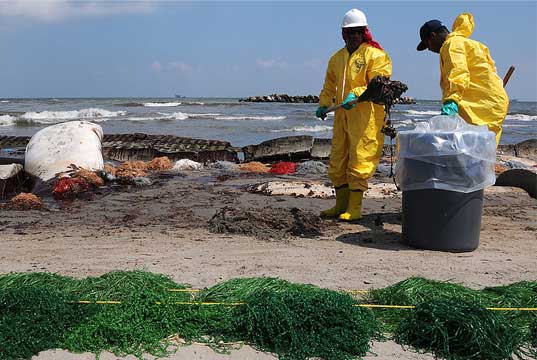
 Crisis comes in many forms … including natural and man-made disasters, economic challenges, social inpropriety or scandal. Companies, communities and even countries of every size are challenged by crisis. How to react? When to respond? What to say (or not to say)? And to Whom?
Disasters that affect regions can be particularly challenging, whether we’re talking wildfires, hurricanes or oil spills. Mother Nature or man-made, it doesn’t matter. So many voices. So many interests. Getting everyone on the same page is critical.
The common denominator to disaster of any kind is damage — not only to property or landscapes or infrastructure, but to brands and reputations and the regional economy. The impact on businesses, key industries, tourism and future economic development often continues, long after the physical clean up has taken place.
Last summer, I travelled to the Gulf Coast with the IEDC (International Economic Development Council), as part of a national incident response team. The group, which included economic development subject matter experts and representatives from the SBA, USDA, HUD, Homeland Security and the White House, was charged with assessing the damage to the regional economy and with suggesting strategies to help bring it back. Big damage had been done to the Gulf Coast tourism, seafood and economic development brands, even as the region was still rebuilding from 2005’s Hurricane Katrina. What was clear from the start is that Katrina may be in the past, but it was not (and is not) history. Post-crisis perceptions continued.
Last month, I offered advice in crisis outreach and branding to businesses that had been impacted by the Wallow Fire — the largest wildfire in Arizona history. The month-long fire left people across the country thinking that the White Mountains had been destroyed and that the forests and lakes were all closed. Tourism was threatened. Small businesses worried about survival. The mountain was — and is — alive and well. It was perceptions that needed to be changed.
You can listen to me talk with radio host Barbara Bruce about strategies for marketing outreach after the Wallow Fire … rebuilding tourism on the mountain … and next steps for the Real AZ Corridor HERE. The interview includes strategies for using social media to get the word out in any situation — fast.
Here’s the Takeaway: Areas which suffer from recurrent wildfires, hurricanes or crises of any kind adapt by learning to deal with disaster, recover efficiently and manage internal and external expectations. Crisis can also lead to opportunity, as strange as that may seem. A crisis can be an opportunity to:
– Be more proactive in communicating;
– Polish up the brand;
– Create new industries around recovery or mitigation;
– Rebuild better, stronger communities; and
– Become a model for effectively dealing with disaster.
Disasters come in many forms and crisis can crop up anywhere. We specialize in helping regions, communities and companies assess real or potential damage, identify short-term AND long-term issues and work collaboratively to develop — and implement — strategies that repair, rebuild and sometimes even restructure brands that have been damaged by crisis or catastrophe. Even better: Having a plan in place so that you can react quickly when crisis occurs. Let us know if you’d like to talk about it. … Lori Martinek, Branding Expert & Author, https://edcgrow.com/